چه عواملی باعث آسیب مغزی شان شد: دلایل ممکن، حقایق و بینش های پزشکی
سوال “what caused Sean’s brain injury” has been widely searched online, particularly among people who follow medical case stories, true crime content, or health documentaries. Whether this refers to a public figure, a fictional character, or a real person whose story gained media attention, the question opens a deeply important conversation about brain injuries — what causes them, how they present, and what the medical facts are.
In this article, Dr. Arun Saroha — one of India’s leading neurosurgeons — uses this commonly searched question to educate readers on the most common causes of brain injury, the types of brain injuries that match various case descriptions, and how brain injuries are diagnosed and treated in India today.
What Is a Brain Injury?
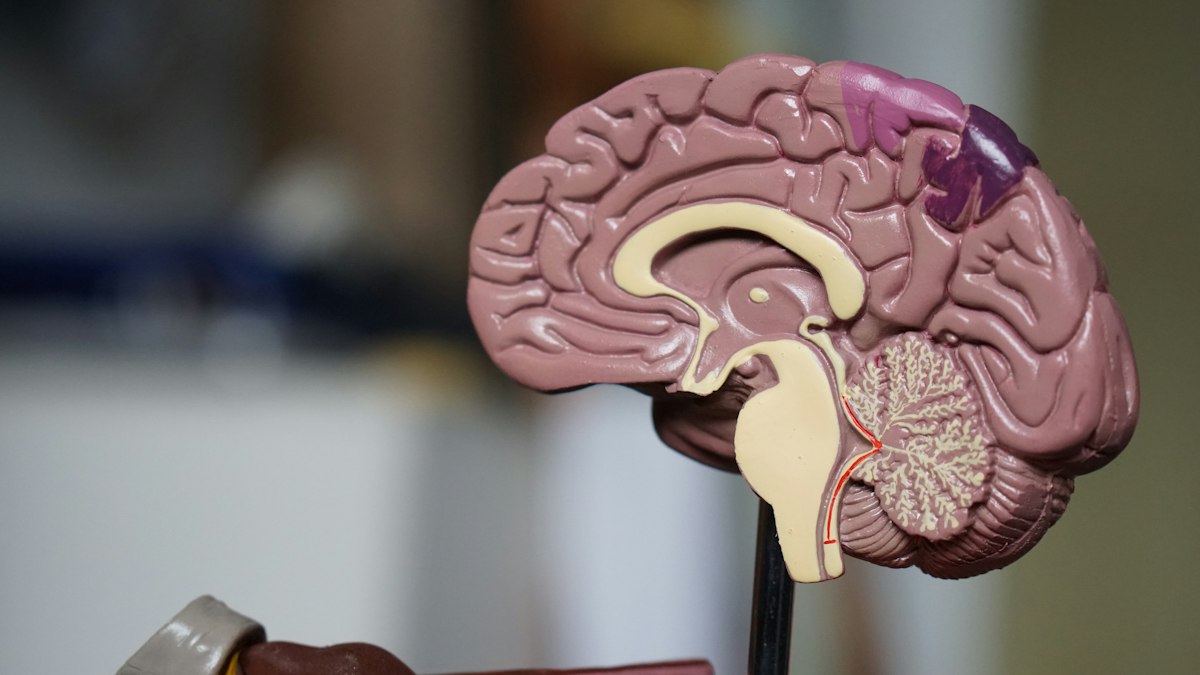
A brain injury — also called an acquired brain injury (ABI) — is any damage to the brain that occurs after birth. It can range from mild concussions to severe, life-altering damage. Brain injuries are classified into two main types:
- Traumatic Brain Injury (TBI) – Caused by an external physical force, such as a blow to the head, fall, or road accident
- Non-Traumatic Brain Injury (nTBI) – Caused by internal events such as stroke, infection, lack of oxygen, or tumors
The Most Common Causes of Brain Injury: A Medical Overview
When people ask what caused a specific brain injury — in any named individual’s case — the answer almost always falls into one of the following categories. Here is a comprehensive medical breakdown:
1. Road Traffic Accidents and Head Trauma
This is the single most common cause of traumatic brain injury in India and worldwide. A sudden impact on the head — whether from a vehicle collision, fall, or assault — can cause the brain to collide with the inside of the skull, resulting in bruising (contusion), bleeding (hemorrhage), or tearing (diffuse axonal injury).
In India, where road traffic injuries claim hundreds of thousands of lives annually, TBI from road accidents is a major public health crisis. At ستون فقرات و مغز هند , we treat a significant number of acute TBI cases each year, with outcomes strongly influenced by how quickly patients receive neurosurgical care.
2. Stroke (Brain Hemorrhage or Blood Clot)
A stroke occurs when blood supply to part of the brain is cut off (ischemic stroke) or when a blood vessel bursts (hemorrhagic stroke). Both types cause rapid brain cell death. Stroke is one of the leading causes of non-traumatic brain injury in India, particularly among people with hypertension, diabetes, and heart disease.
The classic signs of stroke — sudden face drooping, arm weakness, speech difficulty — represent a medical emergency. Learn more about stroke management and brain injury care at our center.
3. Falls (Especially in Elderly Patients)
Falls are the leading cause of TBI in people over 65 years old. Even a seemingly minor fall can cause a هماتوم ساب دورال — slow bleeding inside the skull — particularly in people taking blood thinners. Delayed treatment leads to worsening confusion, weakness, and eventually unconsciousness.
In India’s aging population, fall-related brain injuries are increasingly common and often underdiagnosed. If an elderly family member becomes increasingly confused or develops headaches after a fall, seek immediate neurological evaluation.
4. Sports Injuries and Concussion
Contact sports — cricket, football, kabaddi, boxing, and wrestling — can cause concussions and more serious TBIs. A concussion is a mild TBI where the brain is temporarily disrupted, usually recovering fully. But repeated concussions (as seen in professional athletes) can lead to Chronic Traumatic Encephalopathy (CTE) — a progressive, degenerative brain condition.
5. Oxygen Deprivation (Hypoxic-Ischemic Brain Injury)
When the brain is deprived of oxygen — due to cardiac arrest, near-drowning, choking, or carbon monoxide poisoning — neurons begin to die within minutes. This type of non-traumatic brain injury can range from mild cognitive effects to a permanent vegetative state, depending on how long oxygen deprivation lasted.
6. Brain Infections (Meningitis, Encephalitis, Brain Abscess)
Bacterial meningitis, viral encephalitis, and brain abscess can cause severe brain injury through direct neuronal destruction, inflammation, and increased intracranial pressure. In India, these infections remain a significant cause of preventable brain injury, particularly in children and immunocompromised patients.
7. Brain Tumors
Both benign and malignant brain tumors can cause progressive brain injury by compressing normal brain tissue, disrupting blood flow, and increasing pressure inside the skull. Symptoms include persistent headaches, personality changes, seizures, and progressive weakness.
For evaluation of brain tumor-related symptoms in India, early neurosurgical consultation is essential.
8. Drug and Alcohol-Induced Brain Injury
Chronic alcohol abuse causes progressive brain atrophy (shrinkage) and can lead to Wernicke’s encephalopathy — a severe form of brain injury caused by thiamine deficiency. Drug overdose can cause hypoxic brain injury. Both are increasingly recognized causes of brain injury in India’s urban population.
9. Aneurysm Rupture
A brain aneurysm is a bulge in a blood vessel wall. When it ruptures, it causes a subarachnoid hemorrhage — an extremely severe form of brain injury with high mortality. The classic presentation is a “thunderclap headache” — the worst headache of one’s life — followed by neck stiffness, vomiting, and potentially unconsciousness.
How Is the Cause of a Brain Injury Determined?
Neurosurgeons use a combination of tools to determine the exact cause of a brain injury:
- سی تی اسکن – The first-line imaging for acute brain injury; quickly shows bleeding, bone fractures, brain swelling
- مغز MRI – More detailed; shows subtle injuries like diffuse axonal injury, small bleeds, and infection
- Blood Tests – To detect infection, clotting disorders, or toxicology
- Angiography (MRA/CTA) – To visualize blood vessels and detect aneurysms or AVMs
- Lumbar Puncture – To test for meningitis or subarachnoid hemorrhage when CT is inconclusive
- EEG – To detect seizure activity in the brain
For comprehensive brain injury diagnosis and evaluation in India, our expert neurosurgical team at Spine and Brain India uses the latest imaging and diagnostic protocols.
Brain Injury Symptoms That Should Never Be Ignored
Whether the cause is traumatic or non-traumatic, these symptoms always warrant urgent medical attention:
- Loss of consciousness, even briefly
- Severe, sudden headache
- Repeated vomiting after a head injury
- Confusion, disorientation, or memory gaps
- Weakness or numbness on one side of the body
- Slurred speech or trouble speaking
- تشنج
- مشکلات بینایی
- Unequal pupil size
Brain Injury Treatment: What Does Modern Neurosurgery Offer?
Treatment of brain injury depends on the type and severity:
- Mild TBI (Concussion) – Rest, monitoring, gradual return to activity
- Moderate-Severe TBI – ICU monitoring, ICP (intracranial pressure) management, surgical evacuation of hematomas
- Stroke – Clot-busting drugs (tPA), mechanical thrombectomy, or hemorrhage surgery
- Brain Infection – IV antibiotics/antifungals, surgical drainage of abscess
- تومور مغزی – Neurosurgical resection, radiosurgery, chemotherapy
- توانبخشی – Physiotherapy, occupational therapy, speech therapy, neuropsychological support
Recovery from Brain Injury: What to Expect
Recovery from a brain injury is a journey that varies greatly depending on the cause, severity, and individual factors. The brain’s neuroplasticity — its ability to rewire and adapt — means that with proper rehabilitation, many patients achieve remarkable recovery.
However, some injuries result in permanent deficits. The most important factors for optimal recovery are: early and accurate diagnosis, appropriate acute treatment, and timely, intensive rehabilitation. Our team at ستون فقرات و مغز هند supports patients through every stage of this journey.
پرسش و پاسخهای متداول (پرسش های متداول)
Q1. What are the most common causes of brain injury in India?
Road traffic accidents, stroke (especially from hypertension), falls in the elderly, brain infections (meningitis, encephalitis), and cardiac arrest-related oxygen deprivation are the most common causes of brain injury in India.
Q2. What is the difference between traumatic and non-traumatic brain injury?
Traumatic brain injury is caused by an external physical force (accident, fall, assault). Non-traumatic brain injury results from internal causes such as stroke, infection, tumor, or lack of oxygen. Both can range from mild to severe.
Q3. Can a brain injury be fully cured?
It depends on the type and severity. Mild concussions typically resolve fully. Severe injuries may leave permanent deficits. However, with modern neurosurgical treatment and intensive rehabilitation, many patients achieve significant recovery well beyond initial expectations.
Q4. How is brain injury diagnosed?
Brain injury is diagnosed using CT scan (first-line for acute injury), MRI (for detailed assessment), blood tests, angiography for vascular causes, and lumbar puncture for infection. The combination of tests depends on the suspected cause.
Q5. When should I take someone to a hospital after a head injury?
Immediately if: they lose consciousness (even briefly), have a severe headache, vomit repeatedly, become confused, develop weakness or speech difficulty, or have a seizure after a head injury. Do not wait to see if “they seem fine” — symptoms can appear hours later.
Q6. What is the best hospital for brain injury treatment in India?
Look for a hospital with an experienced neurosurgery team, 24/7 emergency neurosurgical capacity, dedicated neuro-ICU, and comprehensive neurorehabilitation. ستون فقرات و مغز هند under Dr. Arun Saroha offers all of these capabilities with a proven track record.
نتیجه
سوال what caused a brain injury — whether in a specific individual’s story or in a general sense — opens a window into one of the most complex and impactful areas of medicine. Brain injuries can result from trauma, stroke, infection, oxygen deprivation, or tumors. Each cause has specific symptoms, diagnostic approaches, and treatment pathways.
Understanding brain injury causes helps families recognize warning signs, seek care faster, and make informed decisions. In India, where brain injury remains a major cause of death and disability, expert neurosurgical care makes the difference between a good outcome and a tragic one.
If you have concerns about a brain injury — your own or a loved one’s — don’t wait. Reach out to India’s trusted neurosurgery expert today.
🧠 Worried About a Brain Injury? Get Expert Help
Dr. Arun Saroha and his neurosurgery team at Spine and Brain India are available for consultations, second opinions, and emergency care across India.
Book Your Consultation Now →