
بهترین درمان ضربه مغزی در هند
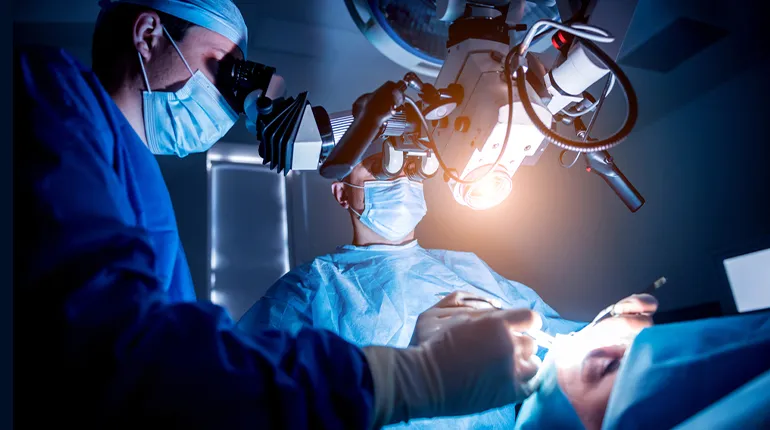
درمان تخصصی آسیب سر توسط دکتر آرون ساروها
آسیبهای سر یکی از اورژانسهای پزشکی تهدیدکننده حیات است و دریافت بهترین درمان آسیب سر در هند میتواند تفاوت بین بهبودی کامل و ناتوانی دائمی باشد. دکتر آرون ساروآ، جراح ارشد مغز و اعصاب در بیمارستان مکس، دهلی NCR، یکی از مورد اعتمادترین متخصصان هند در درمان انواع آسیبهای مغزی تروماتیک (TBI) است — از ضربههای خفیف تا خونریزیهای شدید مغزی.
با over 26 years of neurosurgical experience و بیش از ۱۰۰۰ جراحی موفقیت آمیز ضربه مغزیدکتر ساروها مهارت جراحی در سطح جهانی را با مراقبت دلسوزانه از بیمار ترکیب میکند. او از آخرین فناوری ناوبری عصبی، نظارت حین عمل و تکنیکهای کمتهاجمی برای دستیابی به بهترین نتایج ممکن برای بیماران آسیب سر از سراسر هند و خارج از کشور استفاده میکند.
چه شما یا عزیزانتان دچار آسیب سر ناشی از تصادف جادهای، سقوط، آسیب ورزشی یا حمله شده باشید، دکتر آرون ساروها و تیمش ارائه میدهند مراقبتهای جراحی مغز و اعصاب اورژانسی ۲۴/۷ با یک تیم واکنش تروما اختصاصی که آماده اقدام در طول ساعت طلایی حیاتی است.
آسیب سر چیست؟
ضربه مغزی - که از نظر پزشکی به آن آسیب مغزی تروماتیک (TBI) — هرگونه آسیب به مغز، جمجمه یا پوست سر ناشی از نیروی مکانیکی خارجی است. این میتواند شامل ضربه مستقیم به سر، تکان شدید یا لرزش، یا زخم نافذ از یک جسم تیز یا پرتابه باشد.
آسیبهای سر به طور کلی به دو دسته تقسیم میشوند:
- آسیبهای سر بسته: جمجمه سالم میماند، اما مغز در اثر نیروی ضربه آسیب میبیند. این شامل ضربههای مغزی، کوفتگی (کبودی مغز) و آسیبهای منتشر آکسونی است که در آن فیبرهای عصبی پاره میشوند.
- آسیبهای سر نافذ (باز): جمجمه شکسته یا سوراخ شده است و مغز را در معرض عفونت احتمالی و آسیب مستقیم بافت قرار میدهد. این موارد اغلب در اثر حوادث، زخمهای گلوله یا سقوط اشیاء رخ میدهند.
علل شایع آسیبهای سر در هند
- تصادفات جادهای (RTA): علت اصلی، که تقریباً 60٪ از کل موارد ضربه مغزی در هند را به خود اختصاص میدهد
- سقوط: به خصوص در بیماران مسن و کودکان خردسال شایع است
- آسیب های ورزشی: تروما به سر مرتبط با کریکت، فوتبال، بوکس و دوچرخهسواری
- حوادث محل کار: سقوط از محل ساخت و ساز و جراحات صنعتی
- حمله و خشونت: حملات فیزیکی منجر به ضربه به سر
- آسیبهای ناشی از انفجار: موارد نادر اما شدید ناشی از انفجارها
علائم آسیب سر — چه زمانی به مراقبتهای اورژانسی نیاز دارید
تشخیص زودهنگام علائم آسیب سر بسیار مهم است. در صورت مشاهده هر یک از موارد زیر پس از ضربه به سر، فوراً به پزشک مراجعه کنید:
علائم ضربه مغزی خفیف:
- سردرد یا فشار در سر
- از دست دادن هوشیاری کوتاه مدت (چند ثانیه تا چند دقیقه)
- سرگیجه، حالت تهوع یا استفراغ
- مشکل در تمرکز یا به خاطر سپردن
- وزوز گوش (تینیتوس)
- حساسیت به نور یا صدا
علائم آسیب شدید سر (بلافاصله با اورژانس تماس بگیرید):
- از دست دادن هوشیاری طولانی مدت
- استفراغ مکرر یا تهوع مداوم
- تشنج یا صرع
- اندازه نامساوی مردمک (یک مردمک بزرگتر از دیگری)
- نشت مایع شفاف از بینی یا گوش (نشت CSF)
- ضعف یا بی حسی در بازوها یا پاها
- لکنت زبان یا ناتوانی در صحبت کردن
- افزایش گیجی، تحریکپذیری یا رفتار غیرعادی
- سردرد شدیدتر که از بین نمی رود
مهم: ۶۰ دقیقه اول پس از ضربه شدید به سر «ساعت طلایی» نامیده میشود. رساندن بیمار به جراح مغز و اعصاب در این مدت به طور قابل توجهی شانس بقا و بهبودی را بهبود میبخشد. با خط اضطراری دکتر آرون ساروکا تماس بگیرید +91-7860000705 برای کمک فوری.
آسیب سر چگونه تشخیص داده می شود؟
تشخیص دقیق و سریع در مدیریت آسیب سر حیاتی است. دکتر آرون ساروها از یک رویکرد تشخیصی چند مرحلهای برای تعیین نوع، محل و شدت آسیب استفاده میکند:
ارزیابی مقیاس کما گلاسکو (GCS)
این مقیاس کما گلاسکو استاندارد شناخته شده بین المللی برای ارزیابی شدت ضربه مغزی است. این سه پاسخ را ارزیابی می کند:
| پاسخ | محدوده امتیاز | چه چیزی آزمایش میشود |
|---|---|---|
| باز شدن چشم | 1–4 | خود به خودی، به صدا، به درد، یا هیچکدام |
| پاسخ کلامی | ۱–۵ | جهتدار، گیج، کلمات نامناسب، غیرقابل فهم، هیچکدام |
| پاسخ حرکتی | ۱–۶ | از دستورات پیروی میکند، درد را موضعی میکند، عقبکشی، خم شدن غیرطبیعی، باز شدن، هیچکدام |
- TBI خفیف (GCS 13–15): بیمار هوشیار و بیدار است، ممکن است گیجی مختصر یا از دست دادن هوشیاری داشته باشد
- ضربه مغزی متوسط (GCS 9–12): بیمار هوشیاری مختل دارد، ممکن است نیاز به نظارت دقیق و جراحی احتمالی داشته باشد
- آسیب شدید سر (GCS 3-8): بیمار در حالت کما است، نیاز به مداخله فوری جراحی مغز و اعصاب و مراقبتهای ویژه ICU دارد.
تصویربرداری و تستهای تشخیصی
- سی تی اسکن (توموگرافی کامپیوتری): ابزار تصویربرداری خط اول در شرایط اورژانسی. سیتیاسکن میتواند شکستگی جمجمه، خونریزی مغزی (هموراژی)، لختههای خون (هماتوم)، تورم مغز و قطعات استخوانی را در عرض چند دقیقه تشخیص دهد.
- MRI (تصویربرداری رزونانس مغناطیسی): تصاویر دقیقی از بافت مغز ارائه میدهد و برای تشخیص آسیب آکسونی منتشر، کبودیهای کوچک و آسیبهای ظریف که در سیتی اسکن قابل مشاهده نیستند، استفاده میشود. معمولاً پس از پایدار شدن وضعیت بیمار استفاده میشود.
- اشعه ایکس: برای شناسایی شکستگیهای جمجمه، به ویژه شکستگیهای خطی و فرورفته استفاده میشود.
- آنژیوگرافی مغزی: زمانی که آسیب عروقی مشکوک است، برای تجسم آسیبهای عروق خونی در مغز استفاده میشود.
- نظارت بر فشار داخل جمجمهای (ICP): یک سنسور در داخل جمجمه قرار داده می شود تا به طور مداوم افزایش فشار را اندازه گیری کند، که برای مدیریت موارد شدید TBI در ICU حیاتی است.
انواع آسیبهای سر که ما درمان میکنیم
دکتر آرون ساروکا در تشخیص و درمان طیف کاملی از آسیب های سر تجربه دارد:
- ضربه مغزی: یک ضربه مغزی خفیف که باعث اختلال موقت در عملکرد مغز میشود. اکثر بیماران با استراحت و نظارت مناسب به طور کامل بهبود مییابند.
- کبودی مغز: کبودی در بافت مغز، که اغلب ناشی از ضربه مستقیم است. در صورت بزرگ بودن کنتوزیون یا ایجاد تورم قابل توجه، ممکن است نیاز به مداخله جراحی باشد.
- هماتوم اپیدورال (EDH): خونریزی بین جمجمه و غشای بیرونی مغز. این یک اورژانس جراحی مغز و اعصاب است که نیاز به تخلیه فوری لخته خون دارد.
- هماتوم سابدورال (SDH): خونریزی بین سطح مغز و پوشش آن (سخت شامه). میتواند حاد (اورژانسی) یا مزمن (در طول هفتهها ایجاد میشود) باشد.
- خونریزی ساب آراکنوئید: خونریزی در فضای بین مغز و بافتهای نازک پوشاننده آن. باعث سردرد شدید شده و نیاز به درمان فوری دارد.
- آسیب آکسونی منتشر (DAI): آسیب گسترده به ماده سفید مغز ناشی از شتاب زاویشی. یکی از ویرانگرترین اشکال TBI.
- شکستگیهای جمجمه: شکستگی های خطی، فرورفته یا پایه ای استخوان های جمجمه. شکستگی های فرورفته اغلب نیاز به بالا بردن جراحی دارند.
- آسیب های نافذ مغز: ورود اجسام خارجی به مغز از طریق جمجمه. نیاز به بررسی و ترمیم جراحی اورژانسی دارد.
گزینههای درمانی آسیب سر
درمان به نوع و شدت آسیب سر بستگی دارد. دکتر ساروها از یک رویکرد جامع استفاده میکند:
درمان غیر جراحی (آسیب های خفیف تا متوسط)
- مشاهده و نظارت دقیق: ارزیابی عصبی مداوم در یک بخش ویژه مراقبتهای ویژه با نظارت شبانهروزی
- داروها: داروهای ضد تشنج، دیورتیکهای اسمزی (مانتیتول) برای کاهش تورم مغز، مدیریت درد و داروهایی برای جلوگیری از آسیب ثانویه مغزی
- نظارت با سی تی اسکن و ام آر آی: تصویربرداری سریال برای پیگیری تورم مغز، پیشرفت خونریزی یا عوارض جدید
- نظارت بر ICP: نظارت بر فشار داخل جمجمه برای تشخیص افزایش خطرناک فشار در داخل جمجمه
درمان جراحی (آسیب های متوسط تا شدید)
- کرانیوتومی: باز کردن جراحی جمجمه برای برداشتن لختههای خون (هماتوم)، ترمیم رگهای خونی آسیبدیده یا برداشتن قطعات استخوان
- کرانیوتومی کاهنده فشار: برداشتن قسمتی از جمجمه برای اجازه دادن به مغز متورم برای انبساط، کاهش فشار تهدید کننده حیات. تکه استخوان حفظ شده و بعداً جایگزین میشود.
- تخلیه هماتوم: تخلیه فوری لختههای خون اپیدورال یا سابدورال که باعث فشردگی مغز میشوند
- بالا بردن شکستگی فرورفته: لیفت و ترمیم جراحی شکستگیهای فرورفته جمجمه که به مغز فشار میآورند
- تخلیه CSF: قرار دادن درن بطنی خارجی (EVD) برای تخلیه مایع مغزی نخاعی اضافی و کاهش فشار داخل جمجمه
- کرانیوپلاستی: بازسازی جمجمه با استفاده از استخوان خود بیمار یا مواد مصنوعی پس از جراحی کاهش فشار
هزینه درمان آسیب سر در هند
هند درمانی در سطح جهانی برای آسیب سر را با کسری از هزینه کشورهای غربی ارائه میدهد. در اینجا یک راهنمای تقریبی هزینه آورده شده است:
| نوع درمان | هزینه تقریبی (INR) | هزینه تقریبی (دلار آمریکا) |
|---|---|---|
| آسیب سر خفیف (مشاهده و پایش) | ₹50,000 – ₹1,50,000 | ۶۰۰ – ۱۸۰۰ دلار |
| سی تی اسکن / ام آر آی مغز | ۳۰۰۰ تا ۱۵۰۰۰ روپیه | ۳۵ تا ۱۸۰ دلار |
| کرانیوتومی / تخلیه هماتوم | ۲٬۰۰٬۰۰۰ روپیه – ۵٬۰۰٬۰۰۰ روپیه | ۲۴۰۰ تا ۶۰۰۰ دلار |
| کرانیوتومی فشاری | ۳۰۰۰۰۰ روپیه – ۶۰۰۰۰۰ روپیه | ۳۶۰۰ تا ۷۲۰۰ دلار |
| اقامت در ICU (روزانه) | ۱۵٬۰۰۰ تا ۳۵٬۰۰۰ روپیه | ۱۸۰ تا ۴۲۰ دلار |
| کرانیوپلاستی (بازسازی جمجمه) | ۲۵۰۰۰۰ - ۵۰۰۰۰۰ روپیه | ۳۰۰۰ تا ۶۰۰۰ دلار |
| توانبخشی عصبی (در ماه) | ₹50,000 – ₹1,50,000 | ۶۰۰ – ۱۸۰۰ دلار |
توجه: هزینه ها ممکن است بسته به شدت آسیب، مدت زمان بستری در بیمارستان و الزامات درمانی خاص متفاوت باشد. با ما در تماس باشید +91-7860000705 برای تخمین هزینه شخصیسازی شده.
جدول زمانی بهبودی پس از درمان آسیب سر
بهبودی از آسیب سر به شدت، سن و سلامت کلی بیمار و کیفیت توانبخشی دریافتی بستگی دارد:
| شدت آسیب | اقامت در بیمارستان | بهبودی اولیه | بهبودی کامل |
|---|---|---|---|
| خفیف (ضربه مغزی) | مشاهده ۲۴-۴۸ ساعته | ۱-۲ هفته | ۲-۴ هفته |
| متوسط | ۱-۳ هفته | ۱-۳ ماه | ۳-۶ ماه |
| شدید | ۳-۸ هفته (شامل ICU) | ۳-۶ ماه | 6-18 ماه+ |
| بسیار شدید (DAI/آسیب های متعدد) | ۴-۱۲ هفته | ۶-۱۲ ماه | ۱۲ تا ۲۴ ماه+ (توانبخشی مداوم) |
تیم دکتر ساروها پشتیبانی جامع توانبخشی پس از جراحی از جمله فیزیوتراپی، گفتار درمانی، کاردرمانی و مشاوره عصب روانشناختی را برای اطمینان از بهترین نتایج بهبودی ارائه میدهد.
چرا دکتر آرون ساروها را برای درمان آسیب سر در هند انتخاب کنید؟
دکتر آرون ساروها به طور گسترده به عنوان یکی از بهترین جراحان مغز و اعصاب در هند برای درمان آسیب سر. آنچه او را متمایز می کند این است:
- 26+ Years of Neurosurgical Expertise: دو دهه تجربه در درمان پیچیده ترین موارد آسیب به سر، از تروماهای اورژانسی تا عوارض تاخیری.
- بیش از ۱۰۰۰ جراحی موفق مغز: سابقه اثبات شده نتایج موفق در کرانیوتومی، تخلیه هماتوم، کرانیوتومی کاهنده فشار و جراحی بازسازی جمجمه.
- فناوری پیشرفته جراحی: دسترسی به سیستمهای ناوبری عصبی پیشرفته، سیتی اسکن حین عمل، ابزارهای میکروسرجیکال و مانیتورینگ پیشرفته ICU در بیمارستان مکس.
- دسترسی اضطراری ۲۴ ساعته و ۷ روزه: دکتر ساروها و تیم تروما او به صورت شبانهروزی برای موارد اورژانسی آسیب سر در دسترس هستند و از درمان در ساعت طلایی حیاتی اطمینان حاصل میکنند.
- زیرساخت بیمارستان مکس: فعالیت در بیمارستان فوق تخصصی مکس (گرگان و دوارکا، دهلی) — مرکزی با اعتبار NABH و JCI با بخش مراقبتهای ویژه عصبی اختصاصی، تصویربرداری پیشرفته و اتاقهای عمل کاملاً مجهز.
- توانبخشی جامع: فیزیوتراپی در محل، گفتار درمانی و توانبخشی عصبی برای حمایت از بهبودی کامل پس از جراحی آسیب سر.
- مراقبت بین المللی از بیماران: میز خدمات اختصاصی بیماران بینالمللی که خدمات ویزا، ترانسفر فرودگاهی، پشتیبانی اقامت و خدمات مترجم برای بیمارانی که از خارج از کشور سفر میکنند را ارائه میدهد.
- رویکرد دلسوزانه بیمار-محور: دکتر ساروها به دلیل صرف وقت برای توضیح تمام جنبههای درمان به بیماران و خانوادهها شناخته شده است و اطمینان حاصل میکند که آنها در طول مسیر مطلع و راحت هستند.
چگونه از آسیبهای سر جلوگیری کنیم
- همیشه هنگام موتورسواری، دوچرخهسواری یا شرکت در ورزشهای تماسی از کلاه ایمنی استفاده کنید.
- در تمام وسایل نقلیه از کمربند ایمنی استفاده کنید و اطمینان حاصل کنید که کودکان در صندلی ماشین مناسب قرار دارند.
- نصب نردههای ایمنی و محافظ پنجره در خانه برای کودکان خردسال
- برای اعضای سالمند خانواده از تشکهای ضد لغزش در حمام استفاده کنید و از نور کافی در پلهها اطمینان حاصل کنید
- پروتکلهای ایمنی محل کار را رعایت کرده و در محلهای ساخت و ساز از کلاه ایمنی محافظ استفاده کنید
- از رانندگی تحت تأثیر الکل یا مواد مخدر خودداری کنید
- نظارت بر کودکان در طول فعالیت های بازی و ورزشی
آسیب سر در کودکان — ملاحظات ویژه
کودکان به دلیل نسبت بزرگتر سر به بدن، نازک بودن استخوانهای جمجمه و مغز در حال رشد، به طور ویژه در برابر آسیبهای سر آسیبپذیر هستند. آسیبهای سر در کودکان نیازمند تخصص جراحی مغز و اعصاب است و دکتر آرون ساروها تجربه گستردهای در درمان کودکان در تمام سنین دارد.
علل شایع در کودکان:
- سقوط از تخت، پله ها، تجهیزات زمین بازی، یا در حین یادگیری راه رفتن
- آسیبهای ورزشی (کریکت، فوتبال، دوچرخهسواری)
- تصادفات جاده ای (به ویژه به عنوان عابر پیاده یا دوچرخه سوار)
- برخورد تصادفی از اجسام در حال سقوط
علائم هشدار دهنده در کودکان (بلافاصله کمک بخواهید):
- گریه مداوم که آرام نمیشود
- امتناع از خوردن یا شیردهی
- استفراغ مکرر پس از ضربه به سر
- خواب آلودگی غیر معمول یا مشکل در بیدار شدن
- برجستگی ملاج (نقطه نرم) در نوزادان
- تشنج، راه رفتن ناپایدار، یا از دست دادن مهارتهای آموخته شده قبلی
- هرگونه از دست دادن هوشیاری، حتی کوتاه
در بیمارستان مکس، تیم دکتر ساروها با امکانات مراقبتهای ویژه عصبی کودکان و خدمات توانبخشی دوستدار کودک مجهز است تا بهترین نتایج ممکن را برای بیماران جوان تضمین کند. اگر فرزند شما دچار آسیب سر شده است، برای مشاوره فوری با شماره 705-0000-786+91 تماس بگیرید.
کمک های اولیه برای آسیب های سر — قبل از رسیدن به بیمارستان چه باید کرد
دانستن اینکه بلافاصله پس از آسیب سر چه کاری باید انجام داد می تواند جان یک نفر را نجات دهد. در حین انتظار برای کمک های اورژانسی این مراحل را دنبال کنید:
- بلافاصله با خدمات اورژانس تماس بگیرید اگر فرد بیهوش است، خونریزی شدید دارد یا علائم آسیب شدید را نشان میدهد
- به فرد حرکت ندهید اگر مشکوک به آسیب نخاعی هستید — سر و گردن را ثابت نگه دارید
- فشار ملایمی وارد کنید با پارچه تمیز برای بند آوردن هرگونه خونریزی از پوست سر
- اشیاء را خارج نکنید در جمجمه جاسازی شدهاند — آنها را ثابت نگه دارید و منتظر کمک پزشکی باشید
- تنفس و هوشیاری را تحت نظر بگیرید — اگر فرد نفس کشیدن را متوقف کرد، در صورت آموزش دیده بودن، احیای قلبی ریوی (CPR) را شروع کنید
- فرد را بی حرکت و آرام نگه دارید — غذا، آب یا دارو ندهید
- زمان را یادداشت کنید آسیب و هرگونه علائم برای تیم پزشکی
سوالات متداول در مورد درمان آسیب سر
آسیب سر که به عنوان آسیب مغزی تروماتیک (TBI) نیز شناخته می شود، هرگونه آسیب به مغز، جمجمه یا پوست سر است که ناشی از نیروی خارجی مانند ضربه، تکان یا زخم نافذ باشد. آسیب های سر از ضربه های مغزی خفیف که در عرض چند روز بهبود می یابند تا آسیب مغزی شدید که می تواند تهدید کننده زندگی باشد یا باعث ناتوانی دائمی شود، متغیر است. تشخیص و درمان زودهنگام توسط جراح مغز و اعصاب با تجربه به طور قابل توجهی نتایج را بهبود می بخشد.
علائم هشدار دهنده آسیب جدی سر عبارتند از: از دست دادن هوشیاری طولانی مدت، استفراغ مکرر، تشنج، اندازه نامتقارن مردمک چشم، ترشح مایع شفاف از بینی یا گوش، سردرد شدید که بدتر میشود، ضعف یا بیحسی در اندامها، لکنت زبان، گیجی فزاینده و مشکل در بیدار شدن از خواب. در صورت بروز هر یک از این علائم پس از ضربه به سر، فوراً با شماره 0000705-786-91+ تماس بگیرید و به دنبال مراقبت فوری جراحی مغز و اعصاب باشید.
شایعترین علل آسیبهای سر در هند شامل حوادث ترافیکی جادهای (علت اصلی با نزدیک به ۶۰٪)، سقوط (به ویژه در سالمندان و کودکان)، آسیبهای مرتبط با ورزش، حوادث محل کار، حملات فیزیکی و سقوط اشیاء است. حوادث موتورسیکلت بدون کلاه ایمنی، علت قابل توجهی از آسیبهای شدید سر در هند است.
تشخیص آسیب سر شامل معاینه دقیق عصبی با استفاده از مقیاس گلاسکو کما (GCS)، سپس سیتی اسکن (ابزار اصلی تصویربرداری برای موارد اورژانسی) و امآرآی برای ارزیابی دقیق بافت مغز است. آزمایشهای اضافی ممکن است شامل اشعه ایکس برای شکستگی جمجمه، آنژیوگرافی برای آسیب عروق خونی و پایش فشار داخل جمجمهای (ICP) برای موارد شدید باشد.
درمان به شدت آسیب بستگی دارد. آسیب های خفیف (ضربههای مغزی) با استراحت، مشاهده و داروهای مسکن مدیریت می شوند. آسیب های متوسط تا شدید ممکن است نیاز به مداخله جراحی داشته باشند از جمله کرانیوتومی (باز کردن جمجمه برای برداشتن لخته های خون)، کرانی اکتومی فشاری (برداشتن استخوان جمجمه برای کاهش فشار)، تخلیه هماتوم، ترمیم شکستگی فرورفته و پایش ICP. دکتر آرون ساروخا بهترین رویکرد را بر اساس وضعیت خاص هر بیمار تعیین می کند.
هزینه درمان آسیب سر در هند بسته به شدت آن متفاوت است. هزینه مشاهده آسیب خفیف 50,000 تا 150,000 روپیه هند است. جراحیهایی مانند کرانیوتومی یا تخلیه هماتوم از 200,000 تا 500,000 روپیه هند متغیر است. کرانیوتومی کاهنده 300,000 تا 600,000 روپیه هند هزینه دارد. اقامت در ICU روزانه 15,000 تا 35,000 روپیه هند هزینه دارد. این هزینهها به طور قابل توجهی کمتر از کشورهای غربی است و در عین حال استانداردهای مراقبت در سطح جهانی را حفظ میکند. برای تخمین شخصی با ما در +91-7860000705 تماس بگیرید.
زمان بهبودی بسته به شدت آسیب به طور قابل توجهی متفاوت است. ضربههای مغزی خفیف معمولاً در عرض 2-4 هفته بهبود مییابند. آسیبهای مغزی متوسط به 3-6 ماه برای بهبودی نیاز دارند. موارد شدید آسیب مغزی تروماتیک ممکن است به 6-18 ماه یا بیشتر توانبخشی نیاز داشته باشند. عواملی که بر بهبودی تأثیر میگذارند شامل سن بیمار، سلامت عمومی، میزان آسیب مغزی و کیفیت توانبخشی پس از جراحی است. تیم دکتر ساروها در طول مسیر بهبودی، پشتیبانی جامع توانبخشی را ارائه میدهد.
ساعت طلایی به ۶۰ دقیقه اول پس از آسیب شدید سر اشاره دارد. انتقال بیمار به یک جراح مغز و اعصاب واجد شرایط در این پنجره حیاتی، به طور چشمگیری نرخ بقا و نتایج بهبودی را بهبود میبخشد. در این مدت، مداخلات نجاتبخش مانند توقف خونریزی مغزی، کاهش فشار داخل جمجمه و جلوگیری از آسیب ثانویه مغزی میتواند انجام شود. تیم دکتر آرون ساروها در بیمارستان مکس به صورت ۲۴ ساعته برای موارد اورژانسی آسیب سر در دسترس است.
بله، بسته به شدت. عوارض احتمالی طولانی مدت شامل صرع پس از ضربه (تشنج)، مشکلات شناختی (حافظه، تمرکز)، تغییرات رفتاری و شخصیتی، سردردهای مزمن، مشکلات تعادل، اختلالات گفتاری و در موارد شدید، ناتوانی جسمی است. با این حال، با درمان تخصصی توسط یک جراح مغز و اعصاب ماهر مانند دکتر ساروها، و سپس توانبخشی مناسب، بسیاری از بیماران بهبودی قابل توجهی را تجربه کرده و به فعالیتهای روزمره خود باز میگردند.
بله، دکتر آرون ساروها و اسپاین اند برین ایندیا به طور منظم بیماران بینالمللی را از خاورمیانه، آفریقا و آسیای جنوب شرقی درمان میکنند. ما کمک کامل شامل پشتیبانی ویزای پزشکی، ترانسفر فرودگاهی، ترتیب اقامت، خدمات مترجم و مشاورههای پیگیری از راه دور را ارائه میدهیم. هند بهترین درمان آسیب سر را با هزینههای ۶۰ تا ۸۰ درصد کمتر نسبت به آمریکا، انگلیس یا اروپا ارائه میدهد و این امر آن را به مقصدی ترجیحی برای گردشگری پزشکی تبدیل کرده است.
توانبخشی پس از جراحی برای بهبودی مطلوب حیاتی است و ممکن است شامل موارد زیر باشد: فیزیوتراپی (برای عملکرد حرکتی و قدرت)، کاردرمانی (برای مهارتهای زندگی روزمره)، گفتاردرمانی و زباندرمانی، توانبخشی شناختی (برای حافظه و مهارتهای تفکر)، مشاوره عصب روانشناختی و حمایت تغذیهای. تیم دکتر ساروها برنامههای توانبخشی شخصیسازی شده را بر اساس نقصهای خاص و اهداف بهبودی هر بیمار ایجاد میکند.
اقدامات کلیدی پیشگیری شامل: همیشه استفاده از کلاه ایمنی هنگام موتورسواری یا دوچرخه سواری، استفاده از کمربند ایمنی در وسایل نقلیه، نصب نرده های ایمنی برای کودکان، استفاده از تشک های ضد لغزش برای سالمندان، رعایت پروتکل های ایمنی محل کار، اجتناب از رانندگی تحت تأثیر الکل، نظارت بر کودکان در طول ورزش و استفاده از تجهیزات حفاظتی در طول ورزش های تماسی. در حالی که نمی توان از تمام آسیب های سر جلوگیری کرد، این اقدامات احتیاطی خطر را به طور قابل توجهی کاهش می دهد.

پریا شارما
تصادف جادهای - هماتوم سابدورالدکتر آرون ساروآ پس از یک تصادف شدید رانندگی جان مرا نجات داد. من هماتوم ساب دورال داشتم و به سرعت به بیمارستان مکس منتقل شدم، جایی که دکتر ساروآ در ساعت طلایی جراحی اورژانسی انجام داد. پس از 3 ماه بهبودی و توانبخشی، اکنون به زندگی عادی خود بازگشته ام. تخصص او در درمان آسیب سر واقعاً بی نظیر است. من تا ابد سپاسگزارم.
راجش پاتل
آسیب ناشی از سقوط - هماتوم اپیدورالپدرم از نردبان افتاد و دچار هماتوم اپیدورال شد. تیم دکتر ساروها در عرض چند دقیقه واکنش نشان داد و جمجمهبرداری را انجام داد که جان او را نجات داد. مراقبتهای پس از عمل عالی بود و تیم توانبخشی به او کمک کرد تا تحرک کامل خود را بازیابد. کل خانواده از مهارت و شفقت استثنایی دکتر ساروها سپاسگزارند.
میرا باسکار
آسیب ورزشی - ضربه مغزی و شکستگی جمجمهپسرم به دلیل آسیب کریکت دچار شکستگی فرورفته جمجمه شد. ما وحشت کرده بودیم، اما دکتر ساروها همه چیز را به وضوح توضیح داد و با دقت فوقالعادهای عمل کرد. جراحی موفقیتآمیز بود و پسرم اکنون کاملاً بهبود یافته و دوباره به ورزش مشغول است. دکتر ساروها بدون شک بهترین جراح مغز و اعصاب برای آسیبهای سر در هند است.
راوی گوپتا
تصادف موتورسیکلت - ضربه مغزی شدیدمن پس از یک تصادف دوچرخهسواری دچار ضربه مغزی شدید شدم و به مدت ۵ روز در کما بودم. دکتر ساروها ابتدا جمجمهبرداری فشاری و سپس چند ماه بعد کرانیوپلاستی را انجام داد. مراقبتهای شبانهروزی او در آن روزهای حیاتی تفاوت ایجاد کرد. پس از ۸ ماه توانبخشی تحت هدایت تیم او، تقریباً به طور کامل بهبود یافتهام. او واقعاً زندگی را به بیماران بازمیگرداند.
شیوانی مهتا
آسیب ناشی از سقوط - کوفتگی مغزیپس از سقوط شدید در خانه، من دچار کوفتگی مغزی شدم و هوشیاری خود را به طور مکرر از دست میدادم. دکتر ساروها بلافاصله مرا بستری کرد، تورم را به دقت تحت نظر گرفت و آن را بدون جراحی و از طریق مدیریت پزشکی متخصصانه کنترل کرد. تصمیم او مرا از جراحی غیرضروری نجات داد و در عین حال از بهبودی کامل من اطمینان حاصل کرد. واقعاً بهترین پزشک آسیب سر در هند.
ویکرام سینگ
حادثه محل کار - شکستگی فرورفته جمجمهمن در محل ساخت و ساز دچار شکستگی فرورفته جمجمه شدم. دکتر ساروها جراحی اضطراری برای بالا آوردن شکستگی و ترمیم آسیب انجام دادند. تیم او فوقالعاده حرفهای بود و خانواده من را در طول فرآیند در جریان میگذاشت. ظرف ۴ ماه به سر کار برگشتم. هزینه درمان نیز در مقایسه با آنچه انتظار داشتم بسیار منطقی بود. اکیداً توصیه میشود.
احمد الرشید
بیمار بین المللی - هماتوم ساب دورال مزمنمن به طور خاص از عمان به هند برای تخصص دکتر ساروها در درمان هماتوم مزمن ساب دورال خود سفر کردم. تیم بیماران بین المللی همه چیز را از ویزا تا اقامت ترتیب داد. جراحی دکتر ساروها موفقیت آمیز بود و کیفیت مراقبت در حد هر بیمارستانی در جهان بود، با کسری از هزینه. من او را به هر کسی که به دنبال بهترین درمان آسیب سر در هند است توصیه می کنم.
سونیتا دوی
تصادف جاده ای - خونریزی های متعدد مغزیهمسر من پس از یک تصادف در بزرگراه با خونریزیهای متعدد مغزی در وضعیت وخیمی قرار داشت. بیمارستانهای دیگر از جراحی امتناع کردند، اما دکتر ساروها بلافاصله این پرونده را پذیرفت. او دو جراحی را در طول 3 هفته انجام داد و جان همسرم را نجات داد. تیم توانبخشی به او کمک کرد تا دوباره راه برود و صحبت کند. ما از بیهار آمده بودیم و کل درمان، از جمله بستری در بیمارستان، در بودجه ما مدیریت شد. خدا دکتر ساروها را حفظ کند.
بیماران ما در مورد آسیب سر چه میگویند
داستان های واقعی از بهبودی بیماران تحت درمان دکتر آرون ساروها
با دکتر آرون ساروها، پزشک متخصص درمان کمردرد در هند مشورت کنید
بهترین مشاوره درمان کمردرد را دریافت کنید
Watch: Head Injury Videos by Dr. Arun Saroha
Dr. Arun Saroha, one of India’s leading brain & spine surgeons, shares patient testimonials and expert insights on neurological conditions and brain care.
Understanding a Complex Neurological Condition
When Should You See a Neurologist?
Is Coffee Good for Your Brain?